

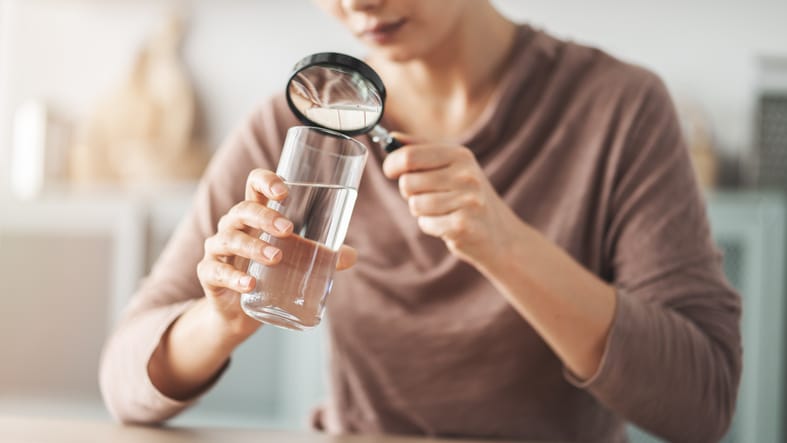
Clear, cold water from your own well is one of the perks of rural living. But clear doesn’t always mean clean. Unlike city water, private well water isn’t regulated by the EPA, so keeping it safe is up to you. At Easterday-Wilson Water Services, we help homeowners understand what’s in their water and how to protect their families. This guide covers well water safety basics, including common contaminants, warning signs, testing, and treatment.
Common Well Water Contaminants
Groundwater picks up whatever it flows through. The most common well water contaminants include:
- Bacteria and viruses such as E. coli and coliform, often from septic systems or animal waste
- Nitrates from fertilizers and farm runoff, which are especially risky for infants
- Heavy metals like arsenic, lead, and manganese from soil, rock, or old plumbing
- Radon and uranium that occur naturally in some regions
- Chemicals from pesticides, fuel storage, or nearby industry
Many of these have no taste, smell, or color.
Signs of Unsafe Well Water
Some problems do leave clues. Watch for:
- Cloudy or discolored water
- A rotten-egg or chemical odor
- A metallic or salty taste
- Orange, brown, or black stains on fixtures
- Frequent stomach upset in your household
Changes after heavy rain, flooding, or nearby construction are also red flags.
Why Regular Well Water Testing Matters
Many contaminants are invisible, so well water testing is the only reliable way to know your water is safe. Experts recommend testing at least once a year for bacteria, nitrates, pH, and total dissolved solids. Test more often if you have a newborn at home, notice changes in your water, or recently had work done on your well or septic system.
Annual results also create a baseline. That record helps you spot trends before they become health concerns.
Well Water Treatment Options
The right solution depends on your test results. Common treatments include:
- Shock chlorination to disinfect bacteria
- UV purification for ongoing protection against microbes
- Reverse osmosis to reduce nitrates, arsenic, and dissolved solids
- Water softeners and iron filters for hard water and staining
- Sediment filters to remove sand and grit
When to Call a Water Treatment Professional
Call a specialist if a test shows contamination, symptoms persist, or you’re unsure which system is right for your home. A professional can interpret results, recommend proper treatment, and install equipment correctly the first time.
Contact us For All Your Water Treatment and Filtration Needs
If you notice a strange taste in your water or contaminants, Easterday-Wilson Water Services can help. We address countless water quality issues and eliminate common water contaminants daily. Call us for additional information and schedule your free water evaluation today.